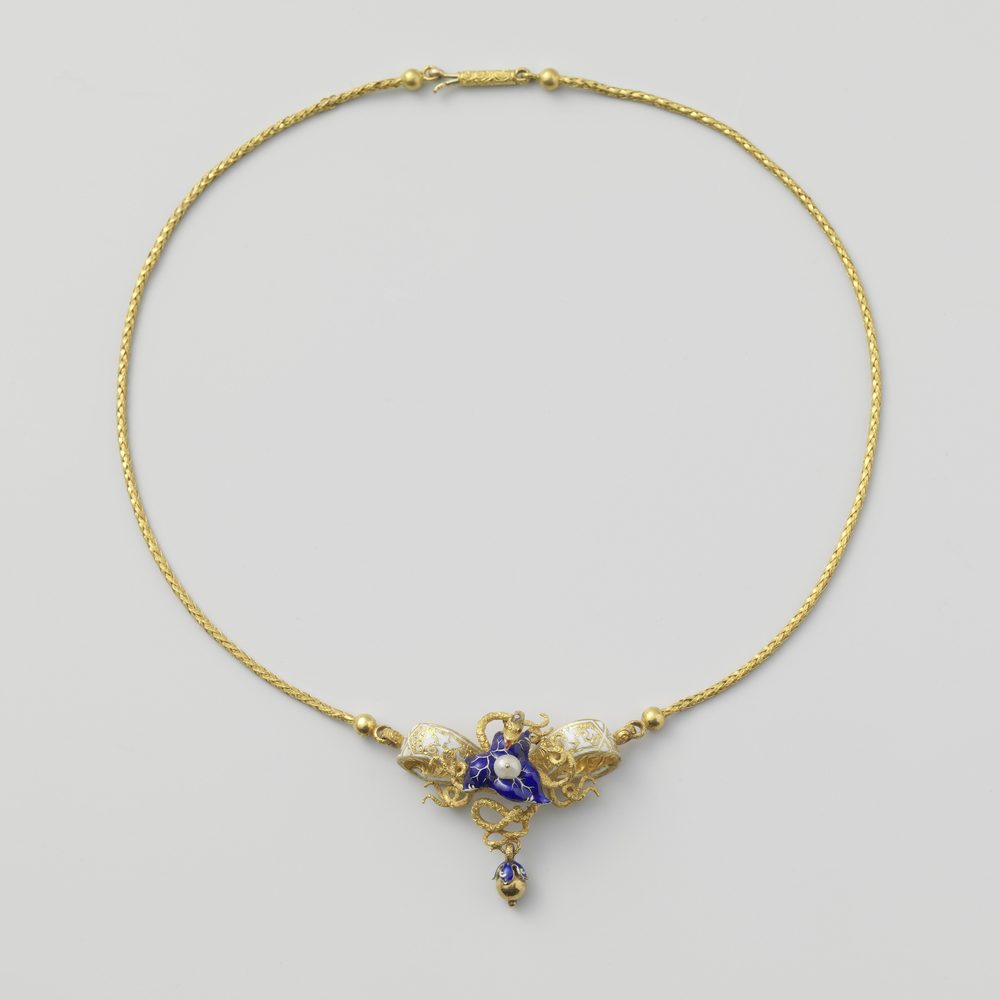
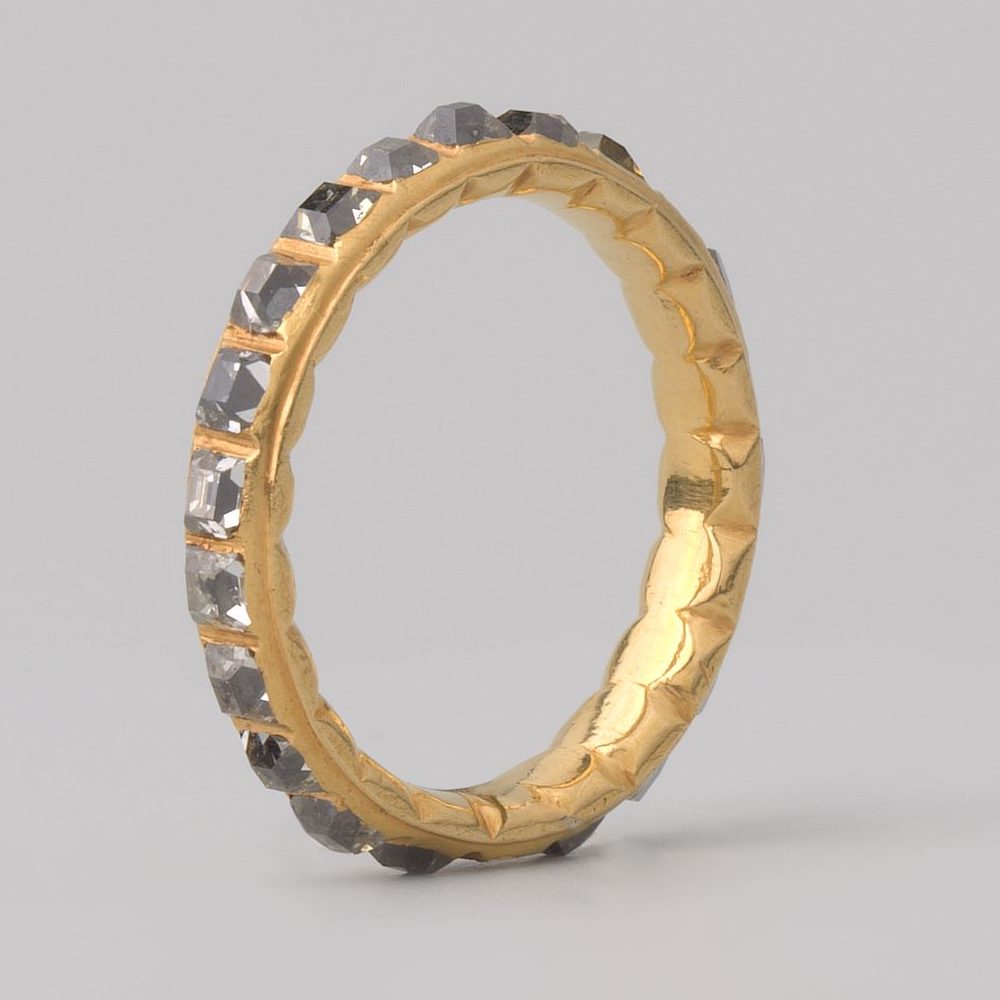
Épingle 1911
The house's founding pattern, remade from the original drawing at the original size.
- ReferenceSR-1501-09
- Stone3.06 ct round brilliant, D, IF
- Carat3.06
- MetalPlatinum 950
- CollectionArchives
Price on request
Each piece is finished by one setter and leaves with their name on the certificate. Nothing here is made twice — where a design is repeated, the stone is not.
- Table57.0%
- Crown34.2°
- Pavilion40.7°
- Facets58
This stone is normally traced live from its own recorded proportions. Your device is being spared the arithmetic — the measured angles are listed alongside.
This stone, not a stock one
The gem beside this text is not a photograph and not a video. It is built from the proportions recorded against this piece and traced facet by facet, so the light coming back out of it is the light this geometry actually returns.
Cut is the one variable a photograph cannot show and the one that costs the most. A stone a degree shallow in the pavilion leaks light through its own back and goes dull in the hand, which is exactly the thing a retouched product shot hides.
- Stone Ø9.44 mm
- Piece Ø34.00 mm
- PricePrice on request
- Lead timeFour to nine weeks
Actually this big
The circle is the girdle of the stone at 9.44 mm; the finished piece measures 34.00 mm across. If you have set your screen against a bank card, this is life size. If you have not, it is the browser's guess of 96 pixels to the inch — and it is almost certainly wrong.
The first thing the house sold, in the winter of 1911, was a brooch of this pattern. The drawing survives; the original does not. This is made from that drawing at the size it was drawn, which is 34mm across — noticeably smaller than a brooch of the same design would be made today, because it was designed to be worn on a lapel rather than on a coat.
The centre stone is the largest we set as a matter of course. Above three carats a round brilliant starts to show its own body colour through the depth of the pavilion, which is why this one is a D and why we do not pretend the grade is incidental.
The pin and the catch are the 1911 drawing’s own, including the roller catch, which is less secure than a modern double-locking fitting. We fit the modern catch on request and we tell every client that the original is the more beautiful of the two and the less sensible.
- Enquiries[email protected]
- Telephone+33 1 42 60 00 00
- ReplyWithin two working days
- RegardingSR-1501-09
Ask about this piece
Tell us what you would like to know — the certificate, the provenance of the rough, whether the setting can be sized, or when you could come and hold it. A member of the atelier answers personally.